Alvar Aalto Architecture in Rovaniemi
Alvar Aalto (1898–1976) is regarded as one of Finland’s foremost national architects and designers. His distinctive approach to architecture and design, and his understanding of how buildings can shape the way people live, rest, gather and connect with nature, have made him one of the most influential architects of the 20th century, both in Finland and internationally. Rovaniemi is proud to be home to several significant works by Aalto, whose vision has left a lasting mark on the city.
Rebuilding and Redesigning Post-War Rovaniemi
Rebuilding and Redesigning Post-War Rovaniemi
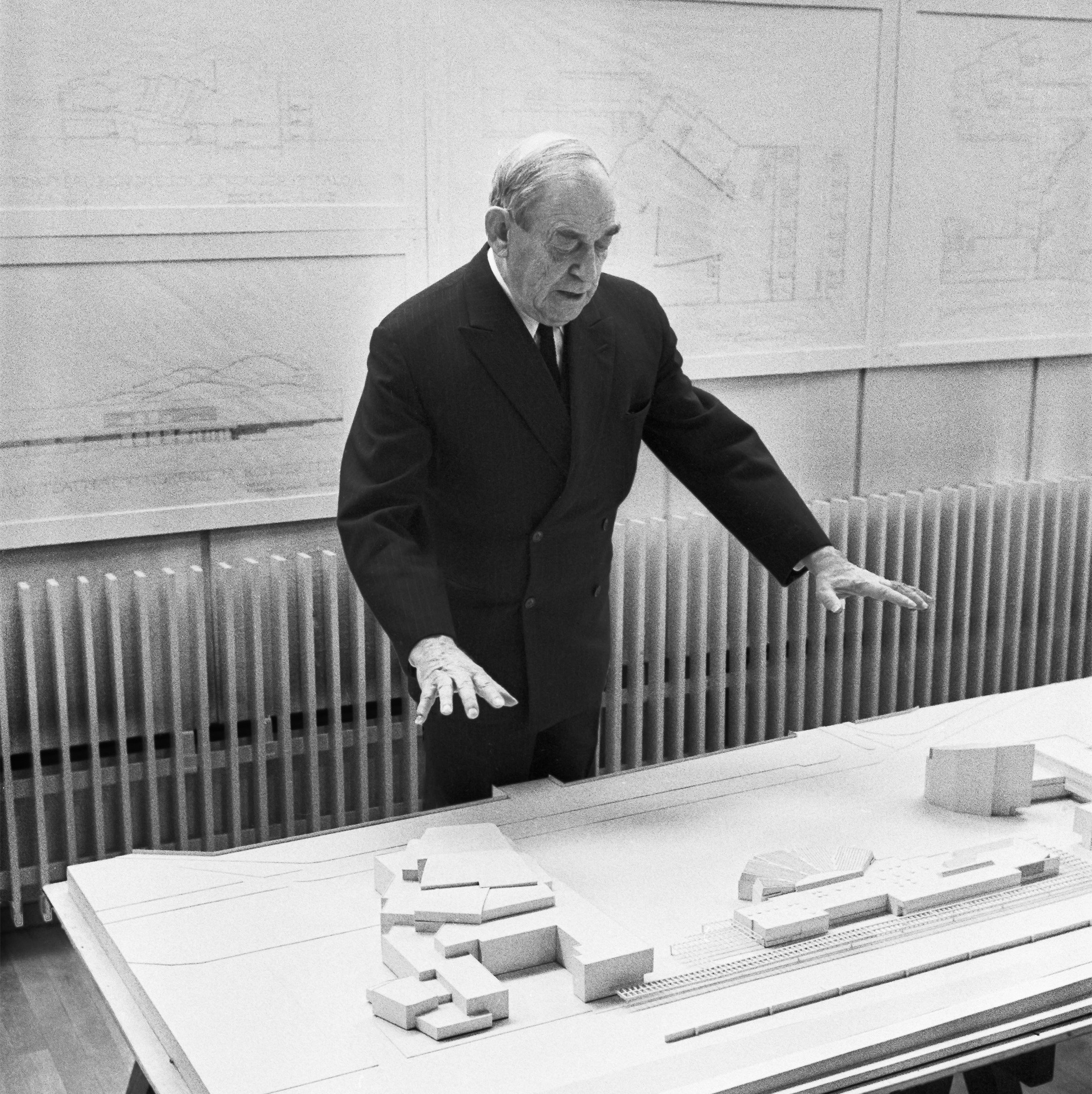
Rovaniemi was devastated in the Lapland War that took place during the Second World War, with approximately 90 per cent of the buildings in the town centre destroyed in 1944. The city faced the enormous task of rebuilding almost from the ground up. In the years that followed, Alvar Aalto played a central role in shaping the new Rovaniemi, helping to create a vision for a modern city while drawing inspiration from the surrounding nature.
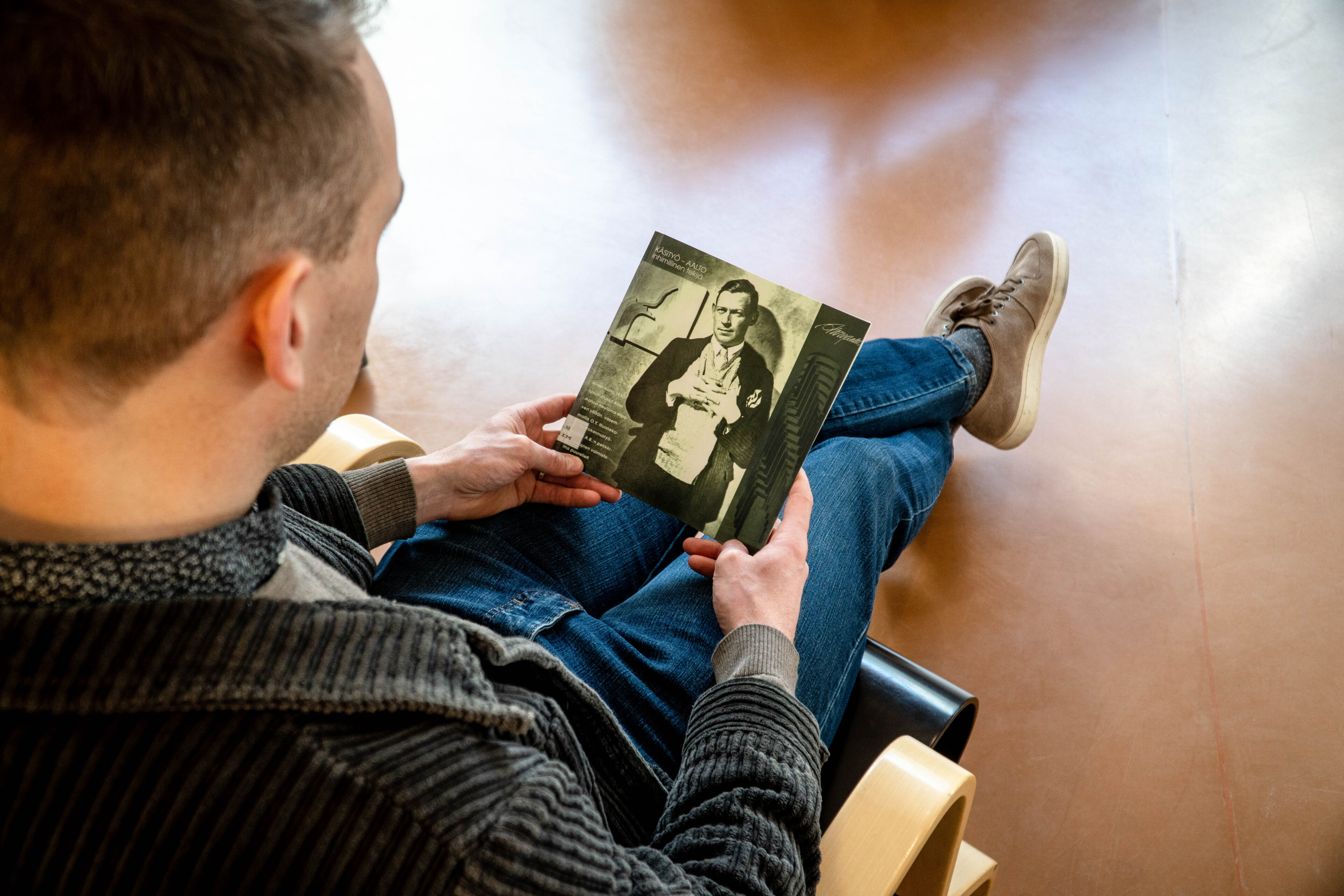
But who was Alvar Aalto? Hugo Alvar Henrik Aalto (1898–1976) is Finland’s most significant and internationally renowed architect. In addition to designing buildings, Aalto was a designer and an academic, forging an exceptionally extensive and diverse career. His work includes glassware, furniture, individual houses, and cultural buildings, as well as entire residential areas, industrial communities, and city centres. Aalto’s buildings are often described as Gesamtkunstwerk, or ‘total works of art’ .
Aalto combined functionalism with freely flowing forms, natural light, and organic materials in unique ways. In an age of machines, concrete, and glass, he emphasised a human-scaled approach to design, focusing on wellbeing and life-cycle thinking.
Throughout his life, Aalto had strong ties to Lapland, especially to Rovaniemi. In the city’s town planning, Aalto emphasised the importance of natural conditions–such as the wide river and open fell landscape–as factors influencing the city’s appearance, and he did not want tall buildings to compete with them.
The Reindeer Antler City Plan
The Reindeer Antler City Plan
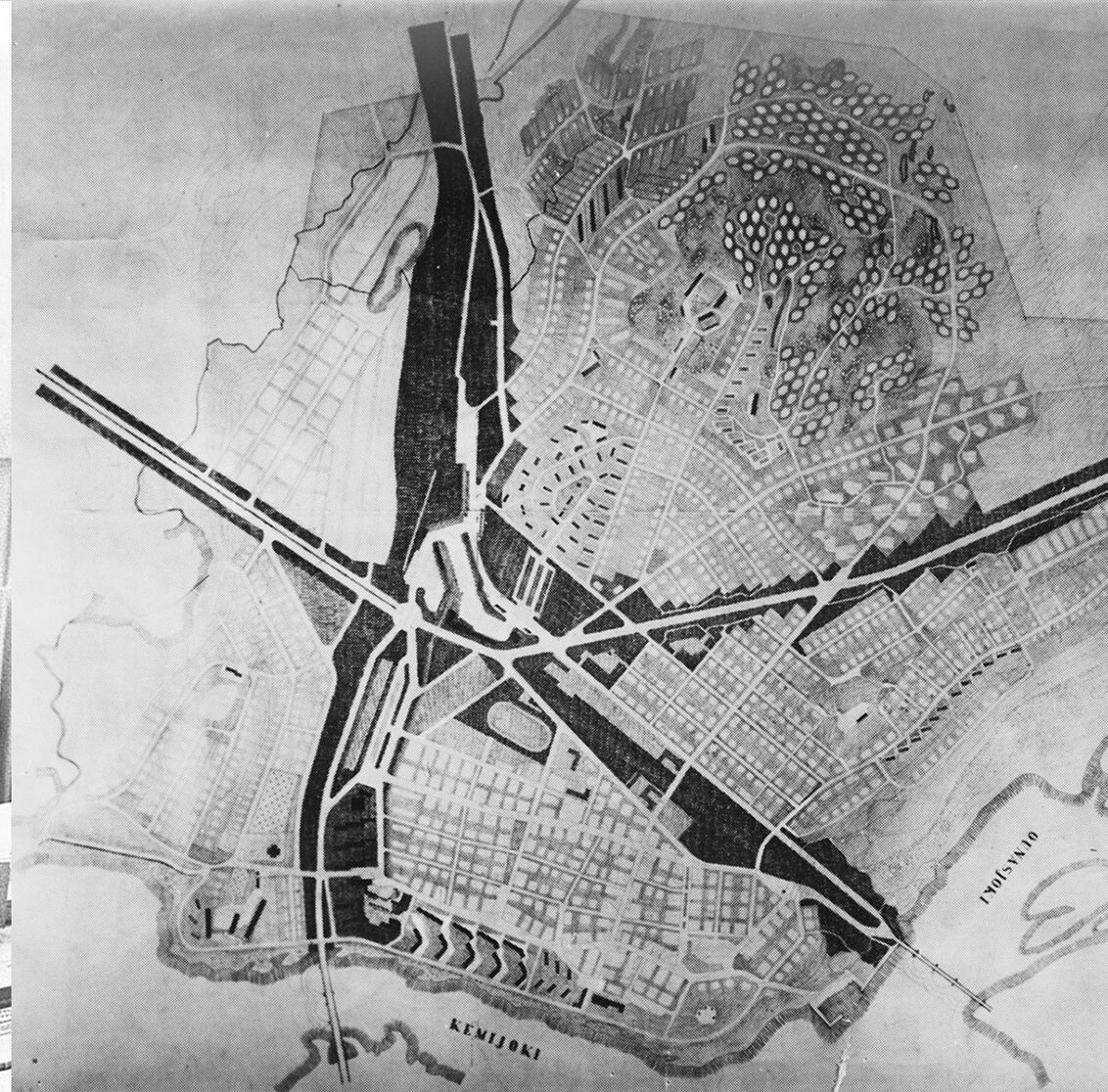
When the Lapland War left Rovaniemi in ruins, the Finnish Assocition of Architects’ Reconstruction Office headed by Alvar Aalto was called to reimagine the city. In 1945 Aalto’s office drafted the famous Reindeer Antler Plan (poronsarviasemakaava), its branching streets spreading across the landscape like the antlers of Lapland’s emblematic animal. The plan marked the beginning of Aalto’s long-term design work in Rovaniemi, as it also served as the foundation for the city’s Administrative and Cultural Centre.
Viewed from above, the traffic routes leading north and west form the reindeer’s antlers. The city centre, together with the Ounasjoki and Kemijoki rivers, form the reindeer’s head. The sports field in the city centre, now called Keskuskenttä in Finnish, is the reindeer’s eye.
The plan’s starting points were a commitment to nature, flexibility, and Rovaniemi’s role as a trasportation hub for Northern Finland. Aalto’s original plan was not realised in its entirety, but the figure of the reindeer is still recognisable.
Rovaniemi Aalto Centre
Rovaniemi Aalto Centre
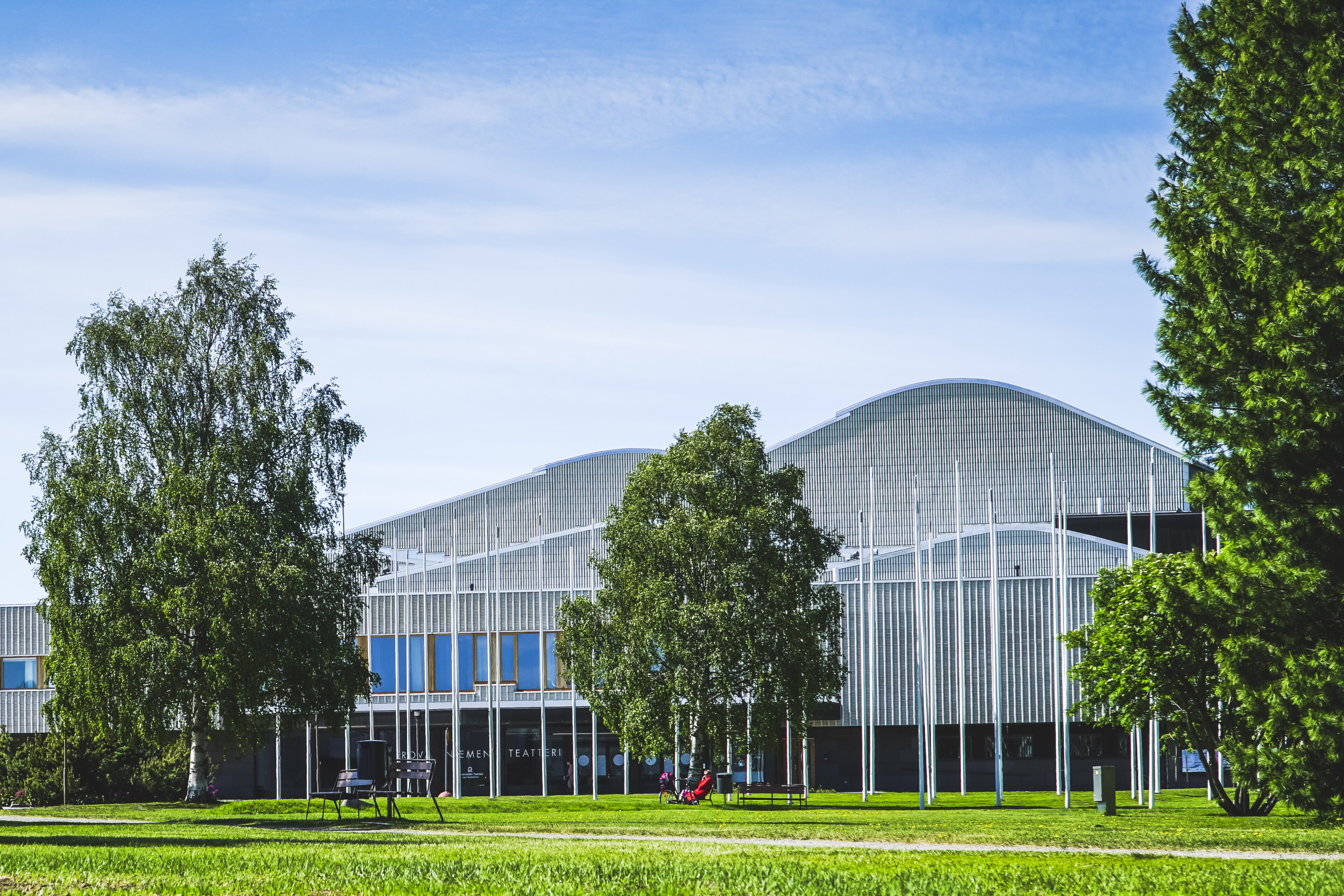
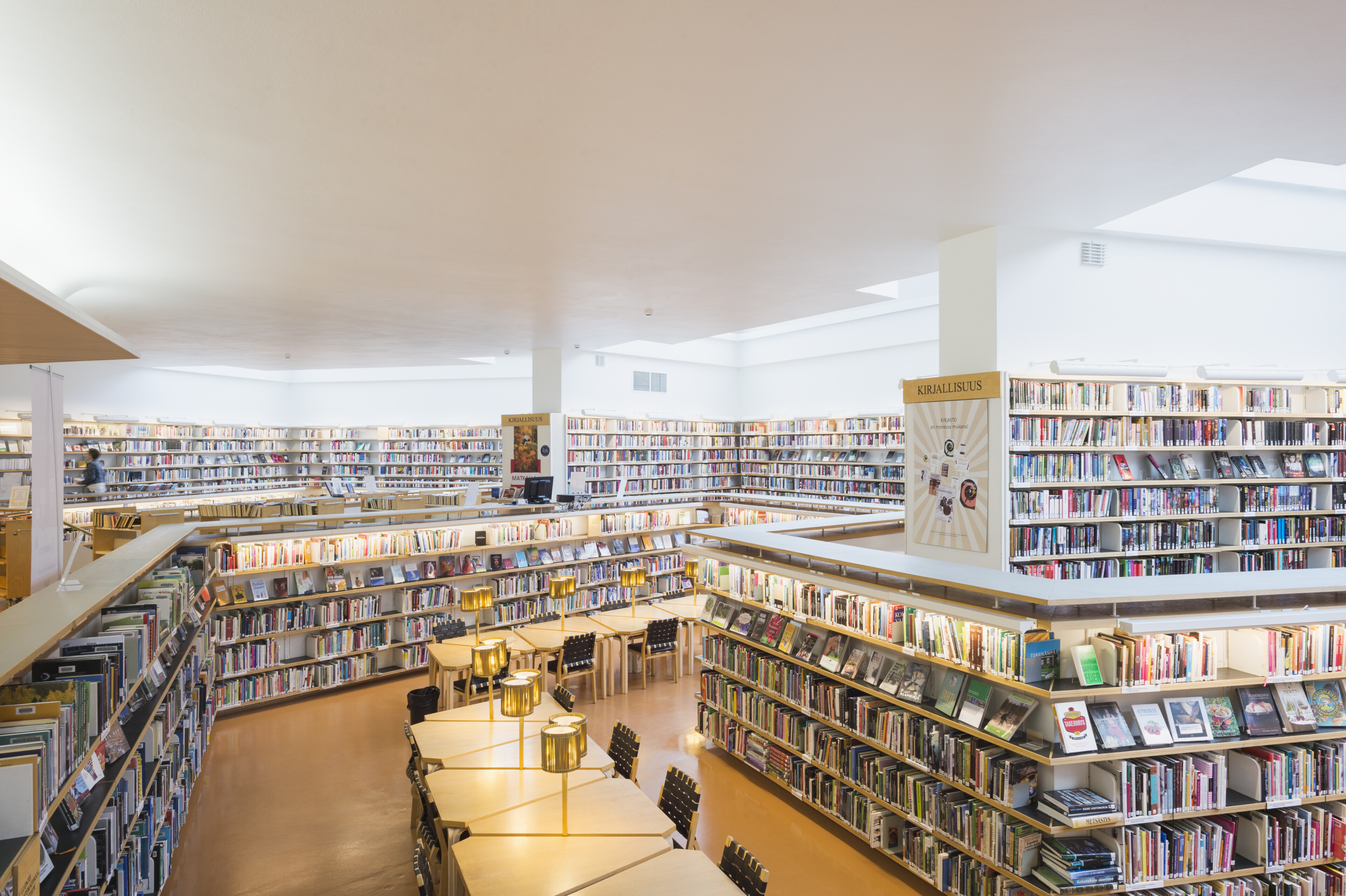
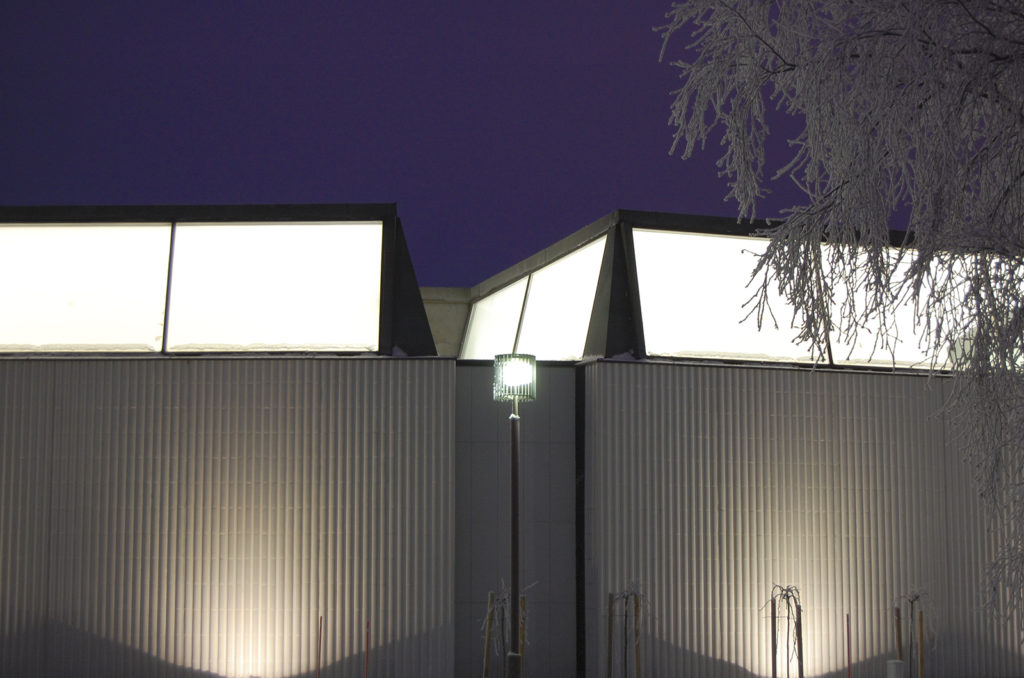
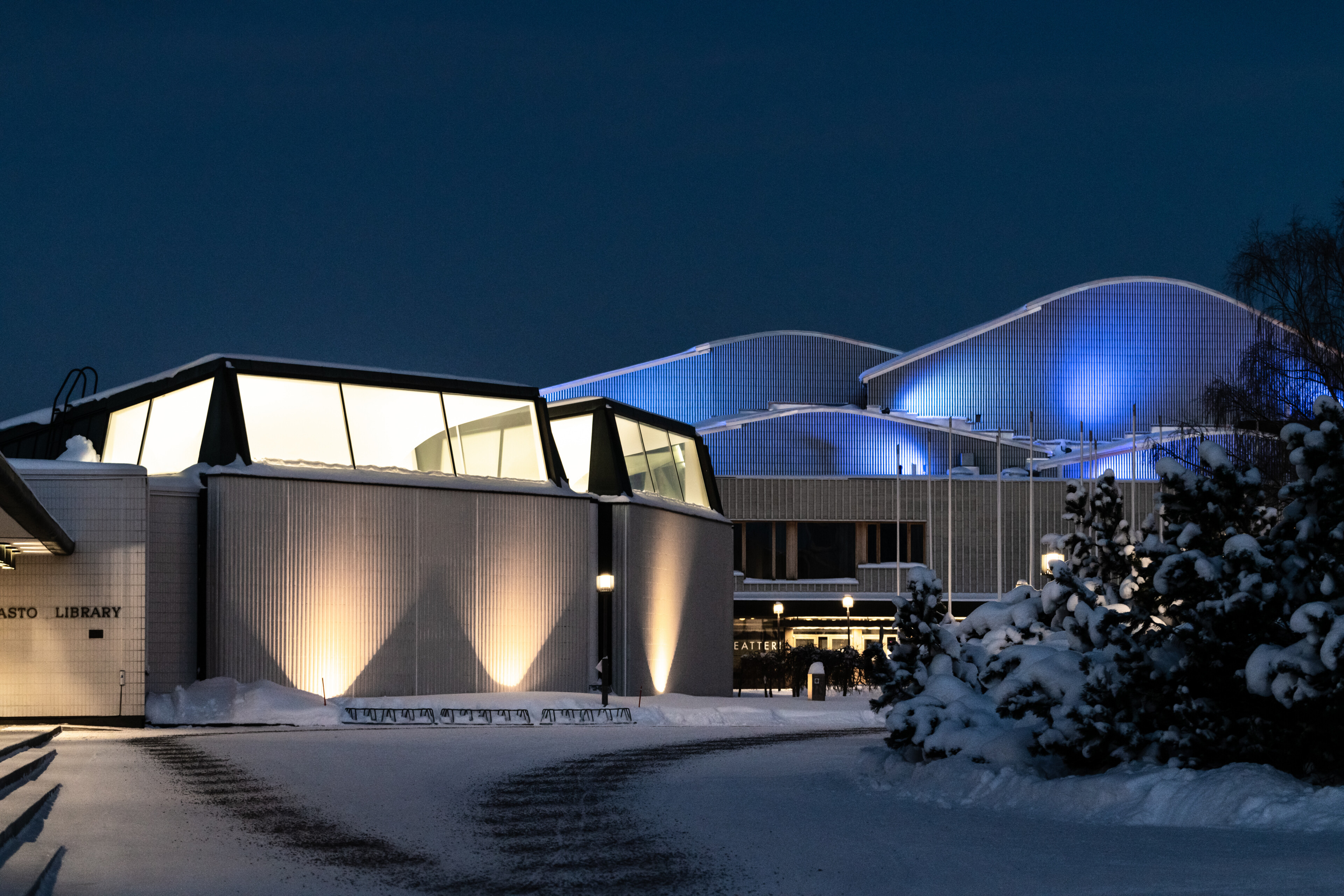
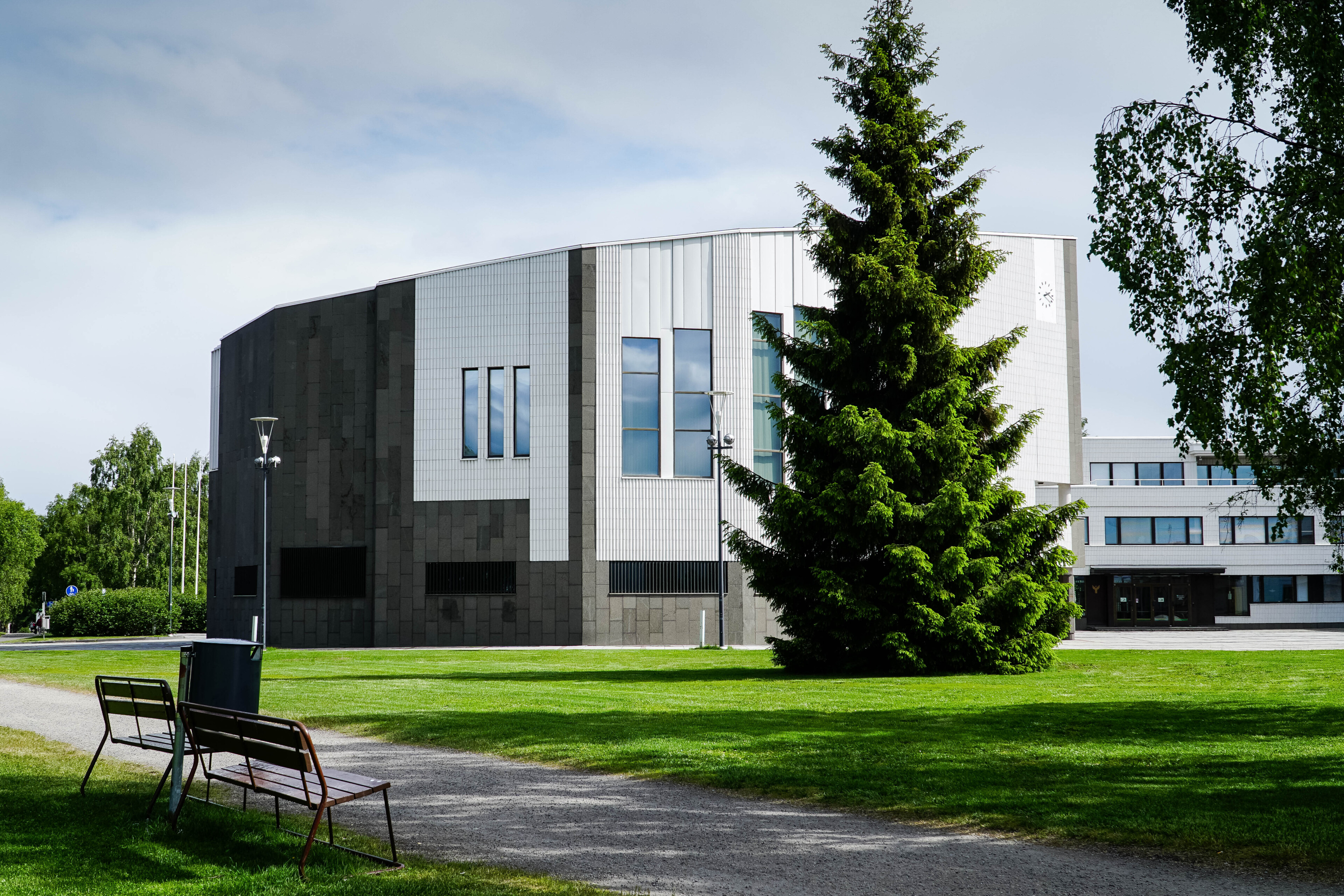
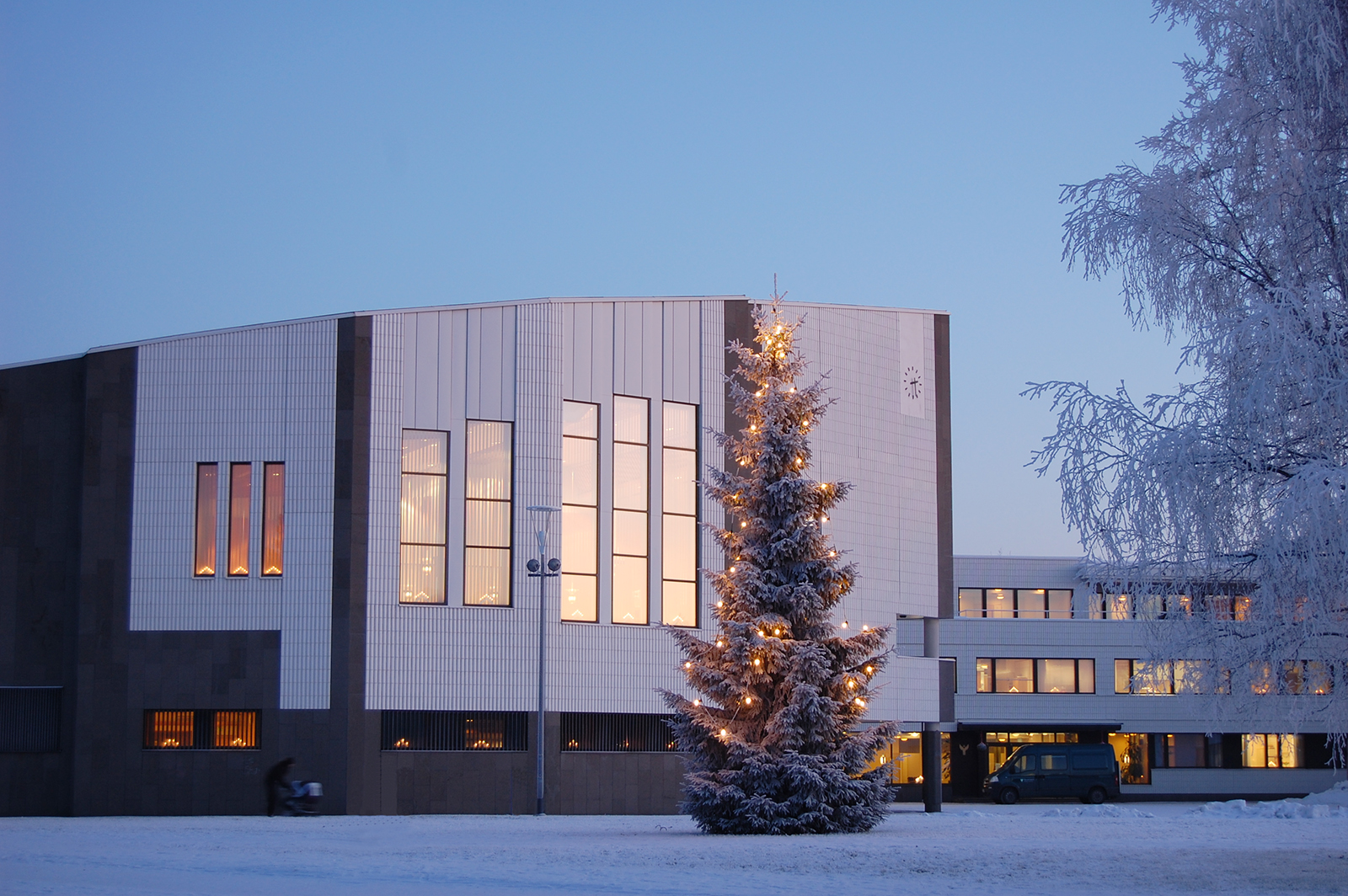
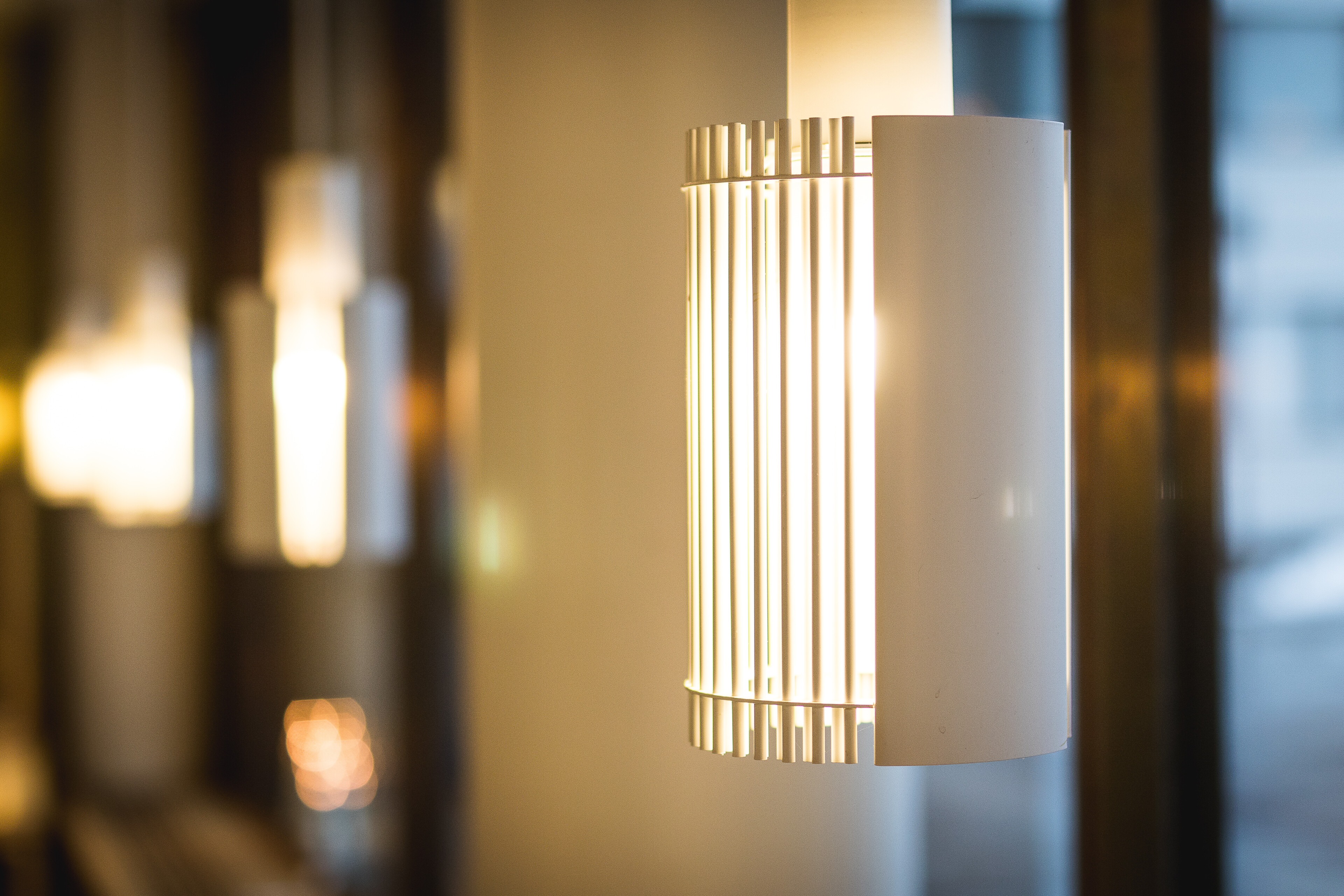
At the heart of the rebuilt city stands the Aalto Centre, the Administrative and Cultural hub made up of Rovaniemi City Library, Rovaniemi City Hall, and Lappia Hall which houses the Rovaniemi Theater. The buildings are arranged in a fan-like shape in a spacious, park-like square. The Aalto Centre can be considered a total work of art, as the plans also included the green areas, lighting, and furnishings.
The Aalto Centre is one of only two completed civic centres Aalto designed in Finland, making it a remarkable destination for anyone interested in architecture and urban planning. In fact, Rovaniemi calls itself the northernmost Aalto city in the world.
The City Library was completed first in 1965, followed by Lappia Hall in 1975. Lappia Hall was the last building Aalto saw completed before his death. The City Hall was completed posthumously in 1986, under the leadership of Aalto’s architect wife, Elissa Aalto.
On the Aalto Centre square, you can find the enrironmental art piece Vuorten Synty (The Birth of the Fells) by Kain Tapper (1988), which adapts to Aalto’s achitectural ensemble and symbolises the city of Rovaniemi.
Residential and Commercial Buildings by Aalto
Residential and Commercial Buildings by Aalto
Beyond his major public projects, Alvar Aalto also shaped Rovaniemi’s residential and commercial architecture. The Korkalorinne residential area is a rare example of a garden city-like neighbourhood adapted to the northern landscape. In central Rovaniemi, Aalto designed several buildings for the Aho business family, creating a close-knit environment where commercial and residential spaces existed side by side. For the facade of one of these buildings at Koskikatu 20, Aalto designed a bronze relief, which was executed by sculptor Heikki Häiväoja. The work depicts the Northern Lights, and its lower part features a salmon leaping in a rapid.
Did you know? You can explore Rovaniemi’s Aalto heritage on the Alvar Aalto walking route, taking in the architect’s distinctive works in the city centre and discovering how his vision helped shape Rovaniemi.
Explore the Arctic City of Rovaniemi
Arctic Capital
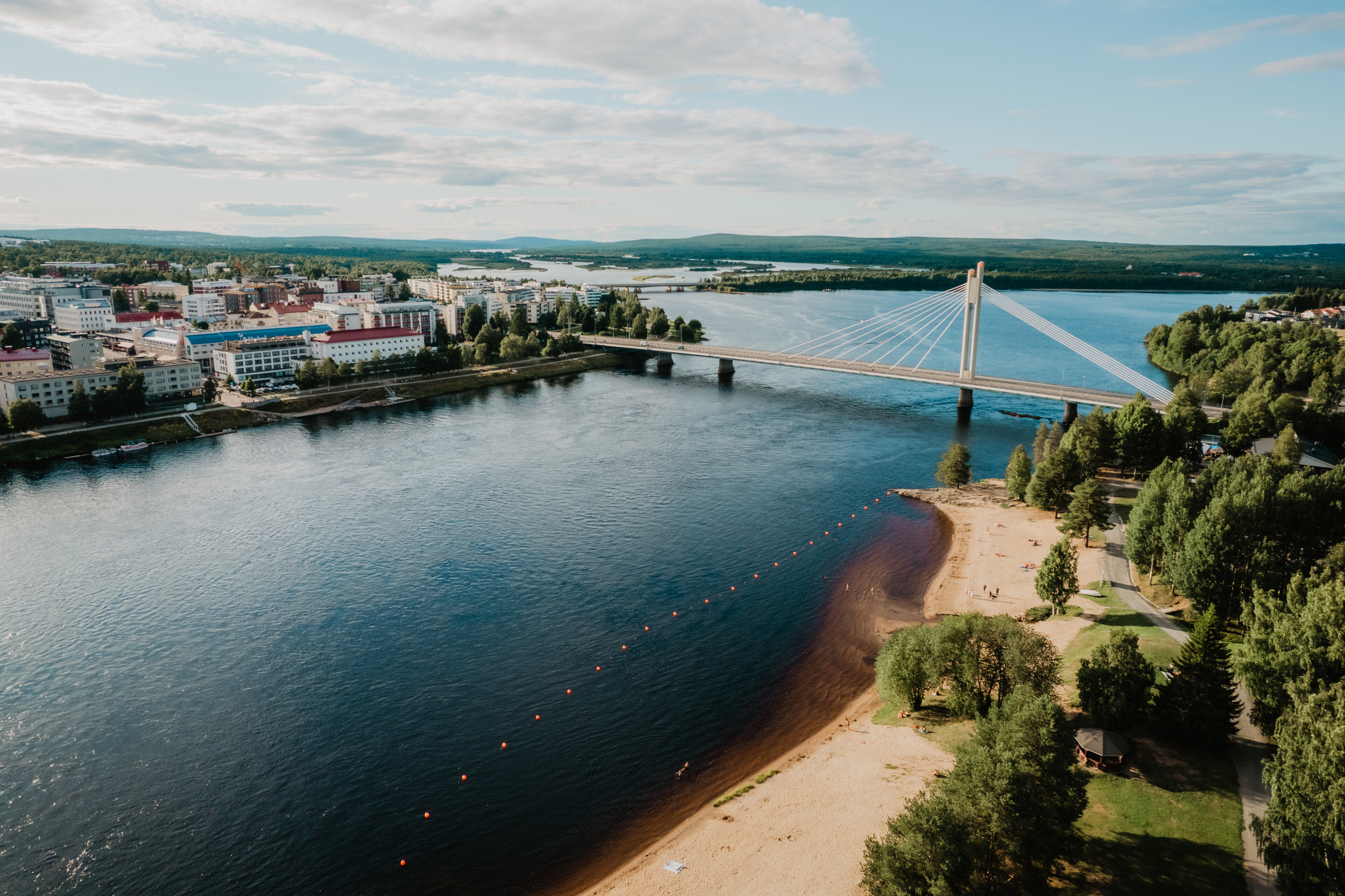
Rovaniemi combines the northern nature with urban surroundings, self-confident localness and open-minded internationality. Rovaniemi is also the Official Hometown of Santa Claus®.
Arctic Circle
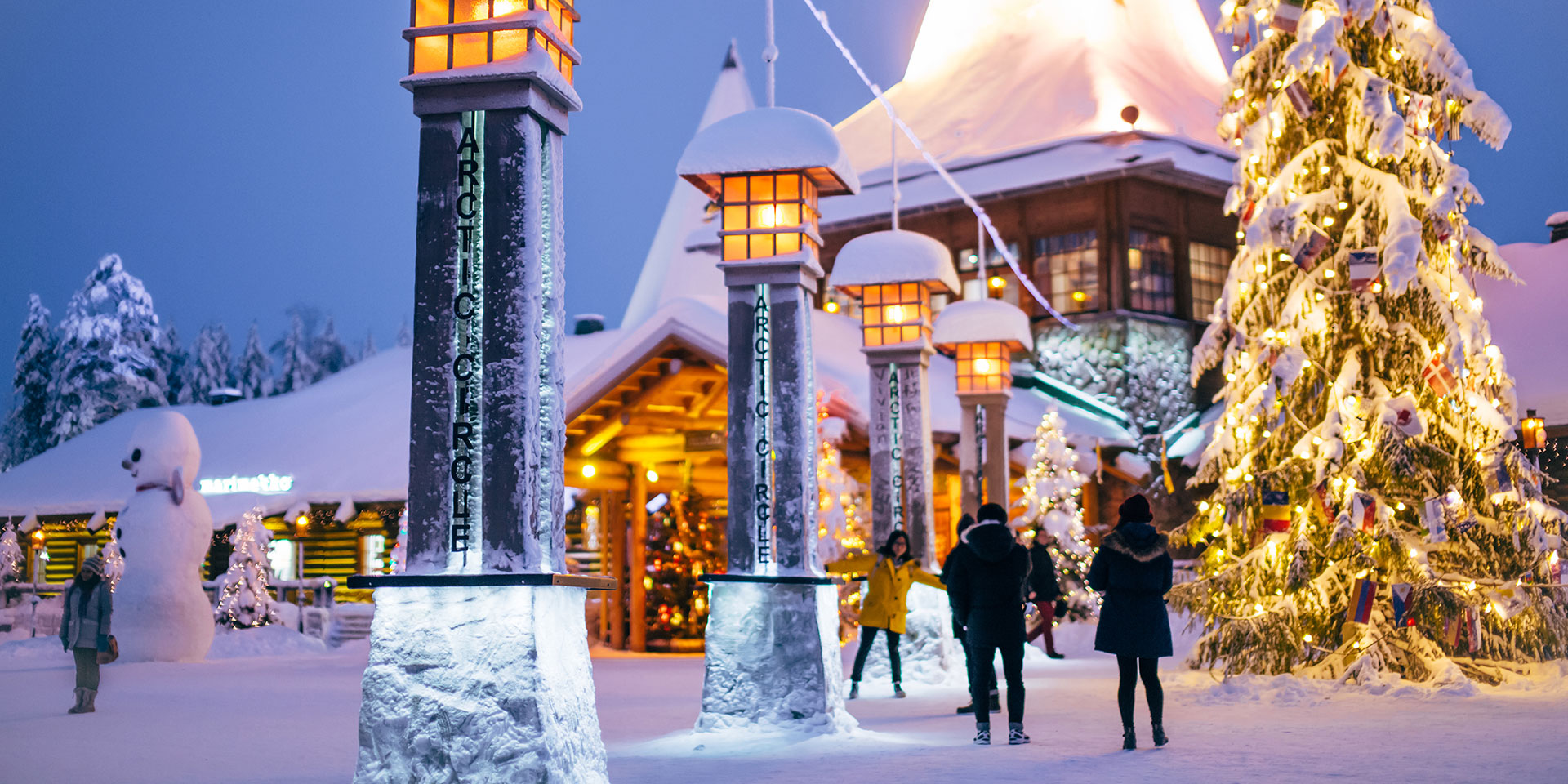
Rovaniemi, the Official Hometown of Santa Claus and the capital of Lapland, lies right on the Arctic Circle, which makes the town a gateway to the arctic. See more here.
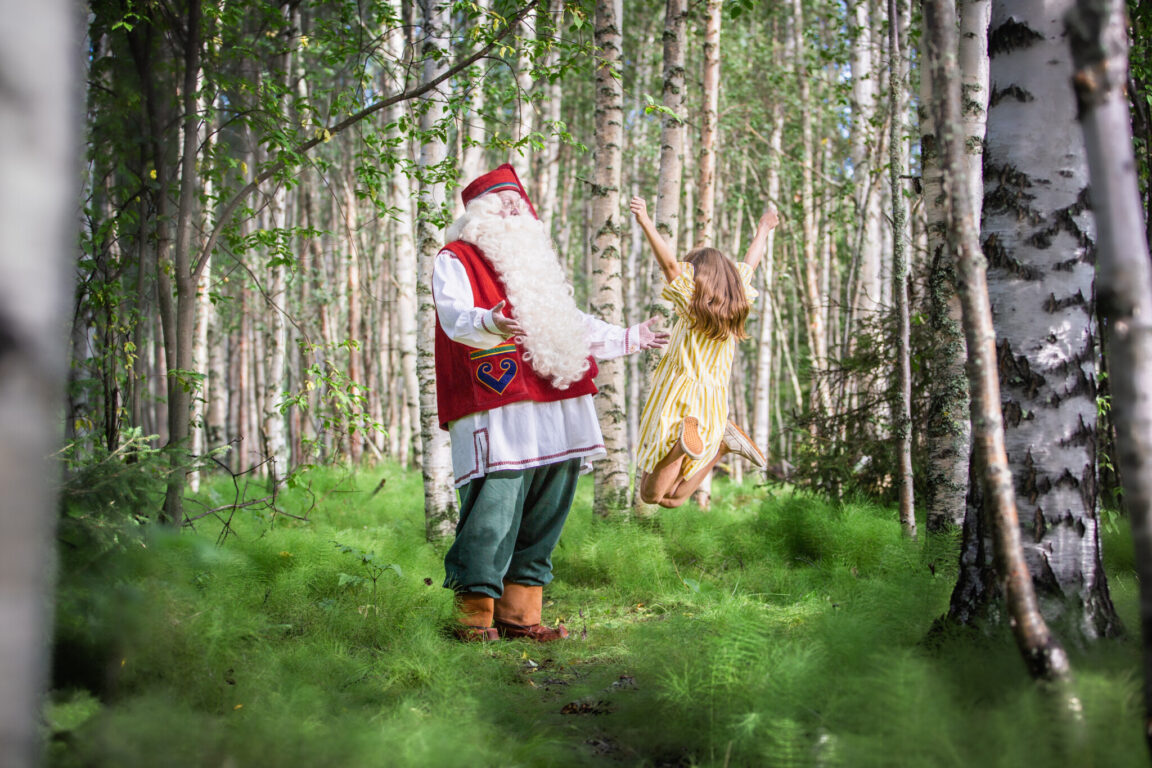
Santa Claus
There’s no place like Rovaniemi, the Official Hometown of Santa Claus, for genuine Christmas experiences. See here for some Rovaniemi Christmas magic.
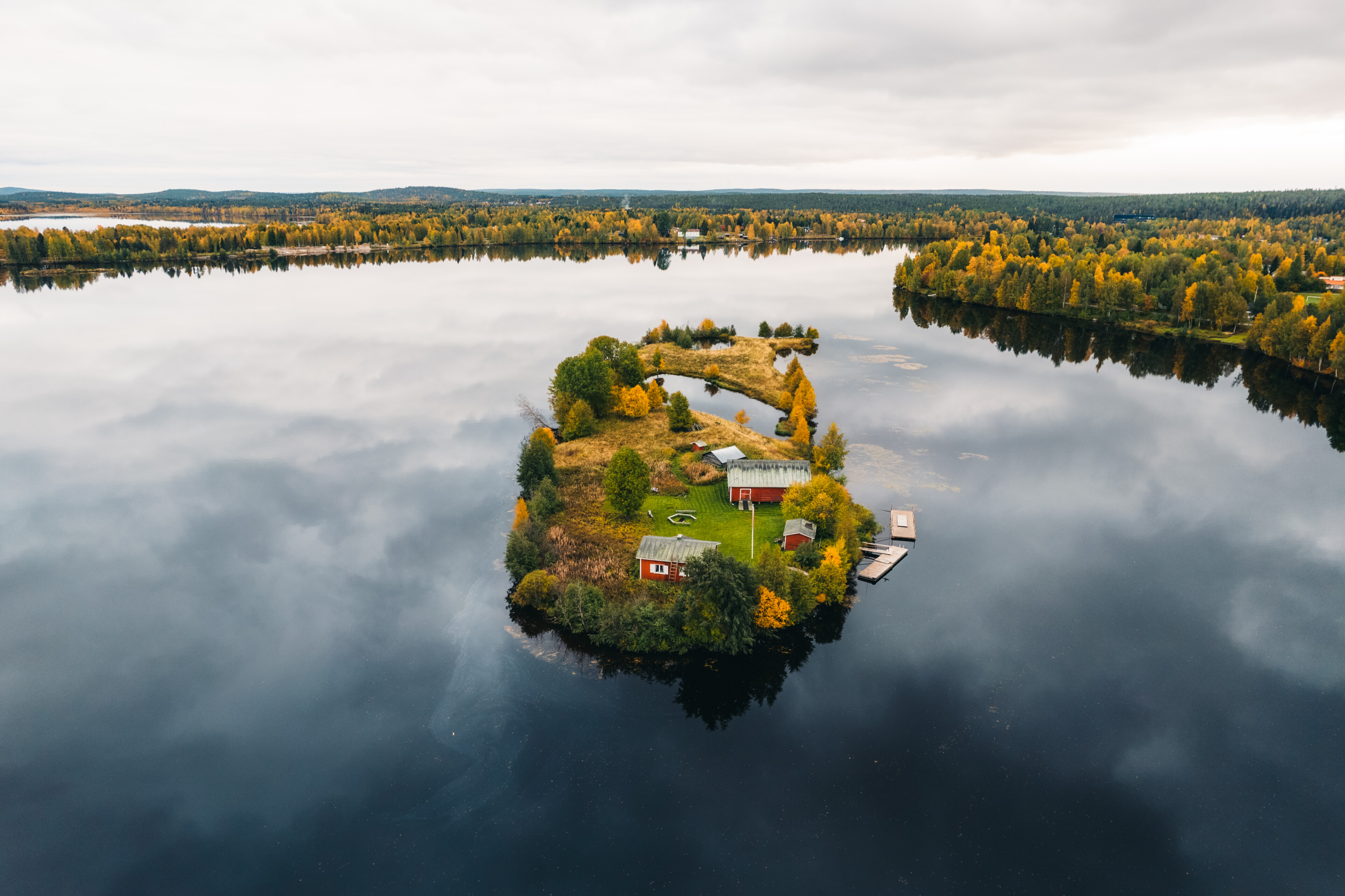
Seasons
Lapland, Finland is full of breathtaking phenomena and nature elements. The best time of travelling to Rovaniemi depends on what you are after – the constantly changing seasons all have their own characteristic light, temperature, natural phenomena and ideal activities.